| Topic | Description |
|---|---|
| Student Life | Understanding the foundation of student success |
| Goal Planning | Setting clear academic and personal goals |
| Learning Skills | Improving study methods and classroom performance |
| Daily Routine | Building productive habits |
| Communication | Developing interaction skills |
| Leadership | Taking responsibility and initiative |
| Technology | Using digital resources for education |
| Financial Awareness | Managing expenses during education |
| Career Development | Preparing for future opportunities |
| Conclusion | Applying these tips for long-term success |
Introduction
Student life is an important phase that shapes knowledge, skills, and future opportunities. It is a period where students learn not only from classrooms but also from experiences, interactions, challenges, and responsibilities. Every decision made during these years contributes to personal growth and academic progress.
Success in student life is not based only on examination results. It also depends on discipline, planning, communication, continuous learning, responsibility, and the ability to adapt to different situations. Students who build positive habits early often find it easier to handle academic work, extracurricular activities, and future career responsibilities.
Every educational journey presents new opportunities and challenges. Some students struggle with managing time, while others face difficulties staying motivated or organizing their daily tasks. By developing practical habits and following effective learning strategies, students can improve their academic performance while preparing themselves for future goals.
This guide explains essential tips that help students create productive routines, improve learning, develop valuable skills, and make the most of their educational journey.
Define Your Purpose as a Student
Every successful student begins with a clear purpose. Education becomes more meaningful when students understand why they are studying and what they hope to achieve.
Some students aim to enter professional careers, while others want to continue higher education or develop specialized skills. Defining these objectives provides direction and motivation during difficult periods.
Writing personal goals helps students stay committed throughout the academic year.
Build a Positive Learning Mindset
Learning is an ongoing process that extends beyond textbooks and examinations. Students who remain curious often gain deeper understanding and stronger problem-solving abilities.
Instead of focusing only on grades, students should concentrate on developing knowledge, improving understanding, and applying what they learn in practical situations.
Viewing mistakes as opportunities for improvement encourages continuous learning.
Create Meaningful Academic Goals
Goals transform large ambitions into manageable steps.
Students should divide their objectives into different categories.
Daily Goals
- Finish assigned homework
- Review classroom notes
- Read one topic carefully
- Complete practice exercises
Monthly Goals
- Improve subject understanding
- Finish project work
- Prepare for upcoming tests
- Strengthen weak subjects
Long-Term Goals
- Complete graduation
- Prepare for professional education
- Learn technical skills
- Develop career readiness
Reviewing goals regularly helps maintain progress.
Develop Independent Learning Skills
Independent learning allows students to understand topics beyond classroom instruction.
Students can strengthen independent learning by:
- Reading reference books
- Exploring educational websites
- Watching educational lectures
- Solving additional practice questions
- Conducting research projects
This habit develops confidence and prepares students for higher education.
Improve Classroom Participation
Classrooms provide opportunities to learn through discussion and interaction.
Students benefit by:
- Asking thoughtful questions
- Sharing ideas during discussions
- Taking organized notes
- Participating in presentations
- Collaborating with classmates
Active participation improves understanding while developing communication skills.
Master the Art of Note-Taking
Effective notes simplify revision and examination preparation.
Useful note-taking strategies include:
- Writing key concepts
- Organizing information by topic
- Using headings and bullet points
- Recording important examples
- Reviewing notes after class
Well-organized notes reduce study time before examinations.
Read Beyond Course Materials
Successful students often explore resources beyond required textbooks.
Additional learning sources include:
- Academic journals
- Educational articles
- Research publications
- Digital libraries
- University resources
Reading different materials broadens understanding and supports critical thinking.
Strengthen Communication Skills
Communication influences classroom participation, teamwork, and future career opportunities.
Students should practice:
- Speaking clearly
- Listening carefully
- Presenting ideas confidently
- Writing effectively
- Respecting different opinions
Communication improves relationships with teachers, classmates, and future employers.
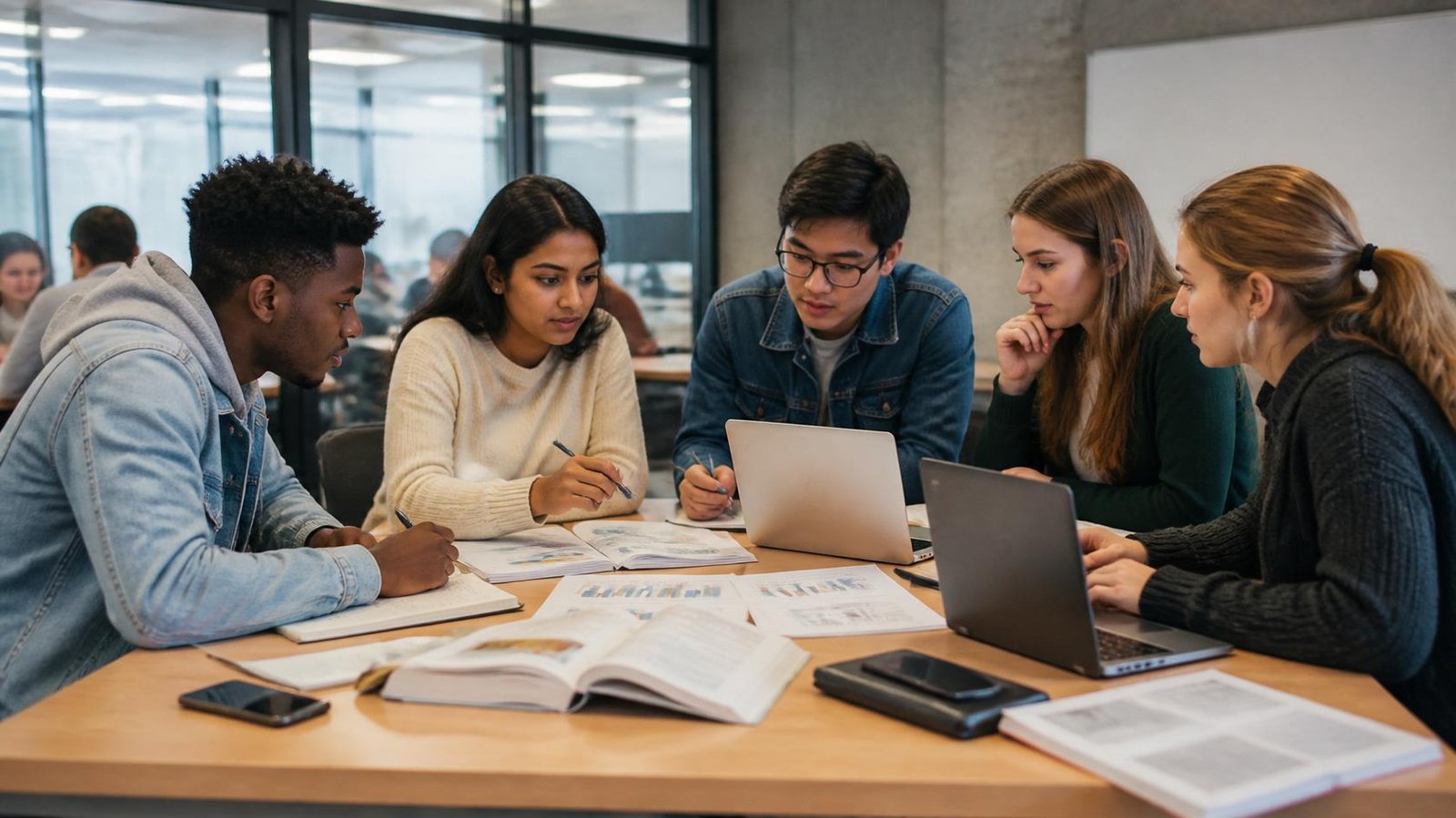
Learn Through Group Study
Group study creates opportunities to exchange ideas and solve problems together.
Effective study groups:
- Discuss difficult topics
- Share learning resources
- Practice examination questions
- Explain concepts to each other
- Maintain accountability
Students should ensure group discussions remain focused on academic objectives.
Build Consistent Daily Habits
Daily habits influence long-term success.
Helpful habits include:
- Waking up on time
- Reviewing daily goals
- Attending every class
- Reading consistently
- Revising lessons daily
- Planning tomorrow’s tasks before sleeping
Small improvements each day produce meaningful progress over time.
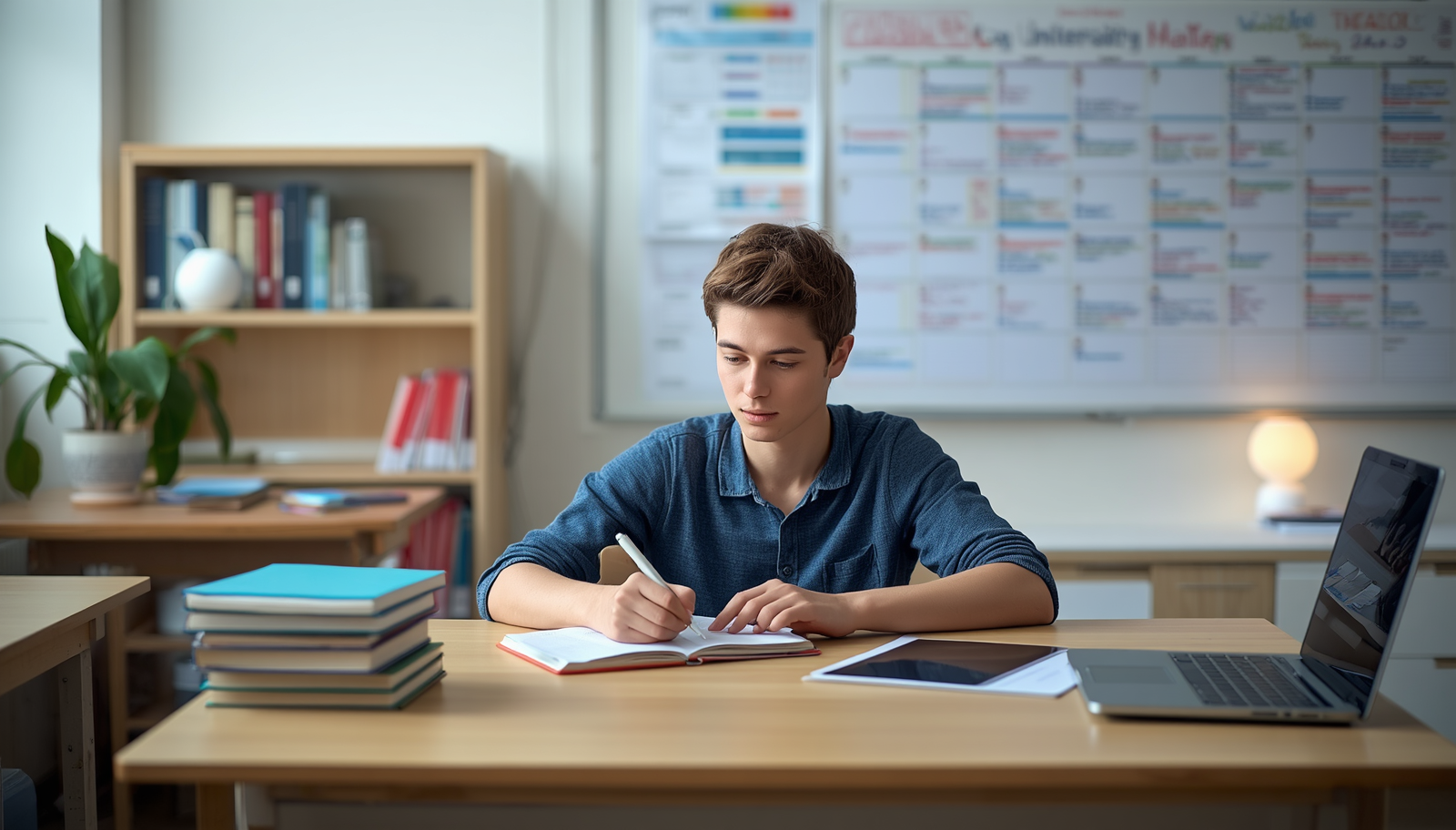
Stay Organized
Organization saves time and prevents unnecessary confusion.
Students should organize:
- Study materials
- Digital documents
- Assignment deadlines
- Examination schedules
- Project notes
Using planners and calendars helps students track responsibilities efficiently.
Develop Problem-Solving Skills
Education involves solving academic and practical challenges.
Students improve problem-solving by:
- Analyzing situations carefully
- Collecting relevant information
- Considering different solutions
- Evaluating possible outcomes
- Learning from previous experiences
Problem-solving becomes valuable throughout education and future careers.
Improve Digital Literacy
Modern education depends heavily on technology.
Students should learn to use:
- Word processing software
- Presentation tools
- Online research databases
- Learning management systems
- Spreadsheet applications
- Cloud storage services
Digital literacy increases efficiency and supports academic success.
Participate in Campus Activities
Educational institutions provide opportunities beyond classrooms.
Students can participate in:
- Student councils
- Academic competitions
- Volunteer programs
- Sports teams
- Debate clubs
- Cultural events
Participation develops leadership, teamwork, and practical experience.
Learn Leadership Skills
Leadership begins with responsibility.
Students develop leadership by:
- Organizing projects
- Leading group discussions
- Helping classmates
- Managing academic events
- Taking initiative during activities
Leadership experiences strengthen confidence and decision-making abilities.
Build Professional Relationships
Networking begins during student life.
Students should build respectful relationships with:
- Teachers
- Professors
- Classmates
- Alumni
- Career advisors
Professional connections often create future educational and career opportunities.
Manage Financial Resources
Financial responsibility supports student independence.
Students should:
- Create monthly budgets
- Monitor expenses
- Save regularly
- Avoid unnecessary spending
- Plan educational costs
Good financial habits remain valuable throughout life.
Take Care of Physical Health
Health influences learning ability.
Students should maintain healthy routines by:
- Sleeping regularly
- Eating nutritious meals
- Drinking enough water
- Exercising consistently
- Taking breaks during study sessions
Healthy lifestyles improve concentration and productivity.
Support Mental Well-Being
Academic responsibilities sometimes create emotional pressure.
Students should protect mental well-being by:
- Taking regular breaks
- Sharing concerns with trusted people
- Participating in enjoyable activities
- Maintaining realistic expectations
- Seeking academic guidance when necessary
Mental wellness supports consistent learning.
Prepare for Career Development
Student life should also prepare individuals for employment.
Career preparation includes:
- Learning technical skills
- Building communication abilities
- Creating resumes
- Participating in internships
- Attending workshops
- Developing interview skills
Early preparation increases future opportunities.
Common Mistakes Students Should Avoid
Many students reduce their academic progress by repeating avoidable mistakes.
Common mistakes include:
- Ignoring deadlines
- Missing classes
- Studying only before examinations
- Depending entirely on classmates
- Poor organization
- Excessive screen time
- Avoiding difficult subjects
Recognizing these mistakes helps students improve their daily routines.
Daily Practices for Long-Term Success
Students can improve their educational journey by following practical daily actions:
- Review notes after every class.
- Read something new every day.
- Ask questions whenever concepts are unclear.
- Complete assignments before deadlines.
- Participate during classroom discussions.
- Practice difficult subjects regularly.
- Maintain organized study materials.
- Follow a consistent daily schedule.
- Learn one new skill each semester.
- Reflect on weekly progress.
Frequently Asked Questions
What makes student life successful?
Success comes from consistent learning, discipline, organization, communication, and responsible decision-making.
Why is goal setting important?
Goals provide direction and help students stay focused on academic and personal development.
How can students improve learning?
Students improve learning by attending classes, reviewing notes regularly, reading additional resources, and practicing consistently.
Why should students join campus activities?
Campus activities help develop leadership, teamwork, communication, and practical experience.
How can students prepare for future careers?
Students should develop technical skills, communication abilities, professional relationships, and practical experience during their education.