| Topic | Description |
|---|---|
| Career Skills | Understanding workplace skills before graduation |
| Communication | Building verbal and written communication |
| Problem-Solving | Learning to solve workplace challenges |
| Teamwork | Working effectively with others |
| Time Management | Managing academic and professional tasks |
| Digital Skills | Using modern workplace technology |
| Leadership | Taking initiative and responsibility |
| Networking | Building professional relationships |
| Career Readiness | Preparing for employment opportunities |
| Conclusion | Developing long-term career success |
Introduction
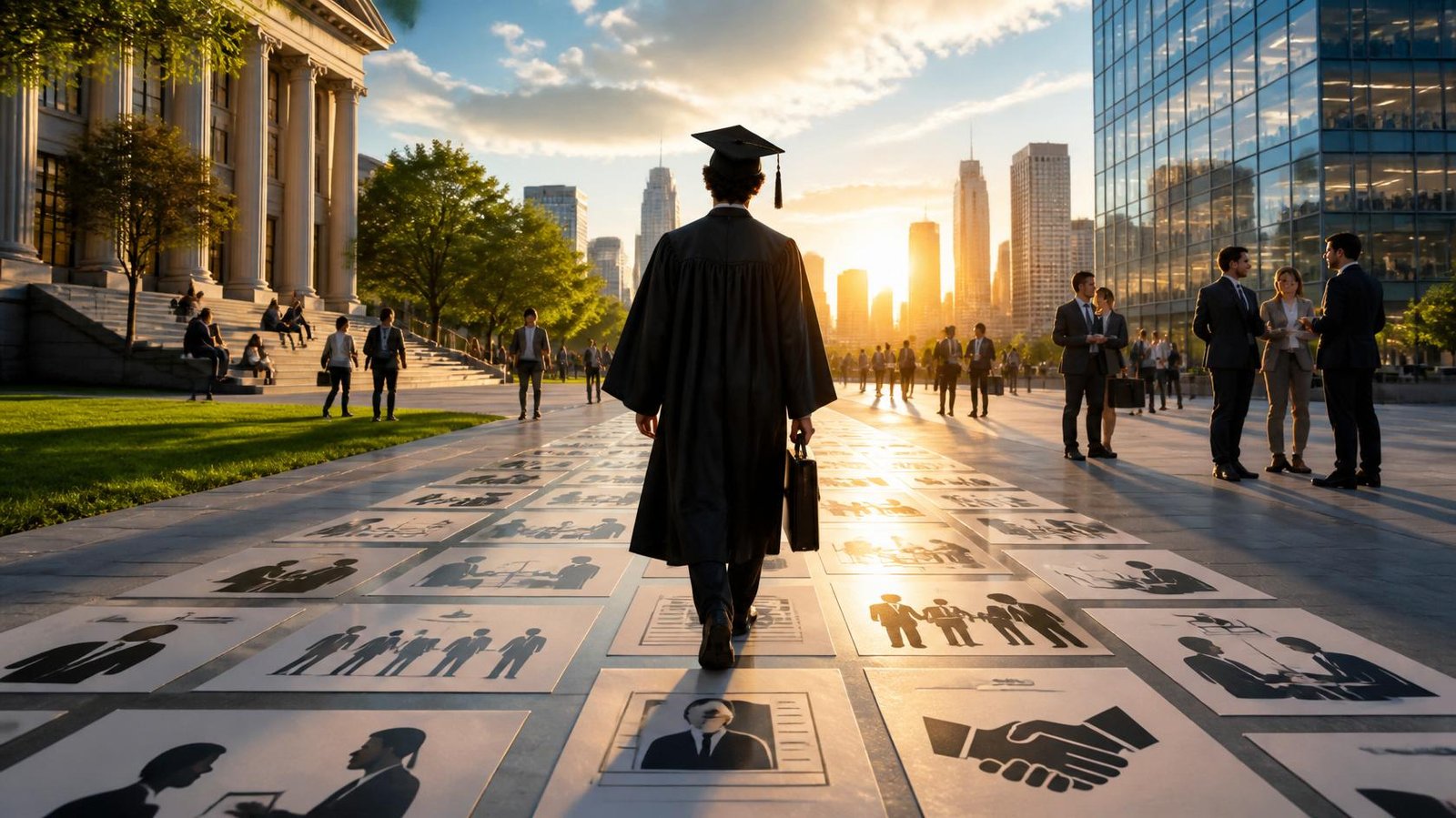
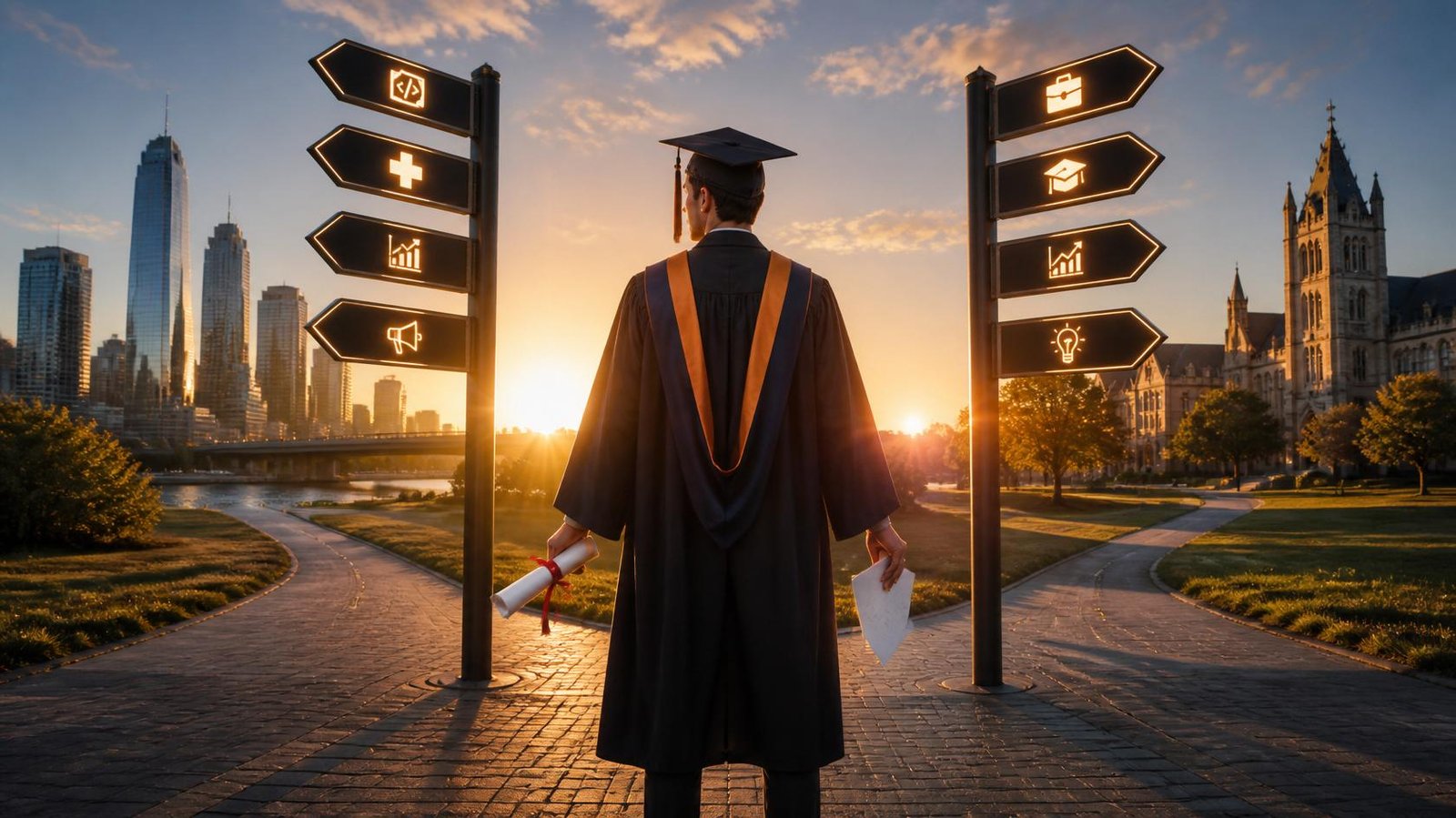
Graduation marks the beginning of a professional journey where academic knowledge combines with practical workplace skills. Employers often look beyond degrees and evaluate how candidates communicate, solve problems, work with teams, manage responsibilities, and adapt to changing work environments. Students who begin developing these career skills before graduation are often better prepared for internships, interviews, and full-time employment.
Career skills are developed through consistent practice during education. Classroom learning provides technical knowledge, while projects, presentations, internships, volunteer work, and extracurricular activities help students build practical abilities needed in professional environments.
Preparing for employment before graduation allows students to enter the workforce with greater confidence. Instead of waiting until the final semester, students can gradually improve communication, organization, teamwork, leadership, and digital skills throughout their educational journey.
This guide explains the most important career skills every student should develop before graduation and practical ways to strengthen each skill for future employment.
Why Career Skills Matter Before Graduation
Academic qualifications demonstrate educational achievement, but employers also evaluate practical abilities that support workplace performance.
Career skills help students:
- Perform effectively during internships.
- Work with different teams.
- Communicate professionally.
- Adapt to workplace expectations.
- Solve everyday problems.
- Build professional relationships.
- Prepare for leadership responsibilities.
Developing these abilities early creates a stronger foundation for future careers.
Communication Skills
Communication remains one of the most important workplace skills.
Students should learn how to:
- Speak clearly during discussions.
- Write professional emails.
- Deliver presentations.
- Listen carefully during conversations.
- Explain ideas confidently.
Strong communication improves teamwork, interviews, and professional relationships.
How to Improve Communication
- Participate in classroom discussions.
- Join debate clubs.
- Practice public speaking.
- Write reports regularly.
- Ask questions during lectures.
Time Management
Managing time effectively helps students balance education, internships, and personal responsibilities.
Poor time management often results in missed deadlines and unfinished work.
Ways to Improve Time Management
- Create daily schedules.
- Prioritize important tasks.
- Break large projects into smaller tasks.
- Set realistic deadlines.
- Review progress every week.
Good planning improves productivity.
Problem-Solving Skills
Every workplace presents challenges that require practical solutions.
Students should learn to:
- Identify problems.
- Analyze available information.
- Consider multiple solutions.
- Evaluate possible outcomes.
- Make informed decisions.
Problem-solving supports better workplace performance.
Teamwork Skills
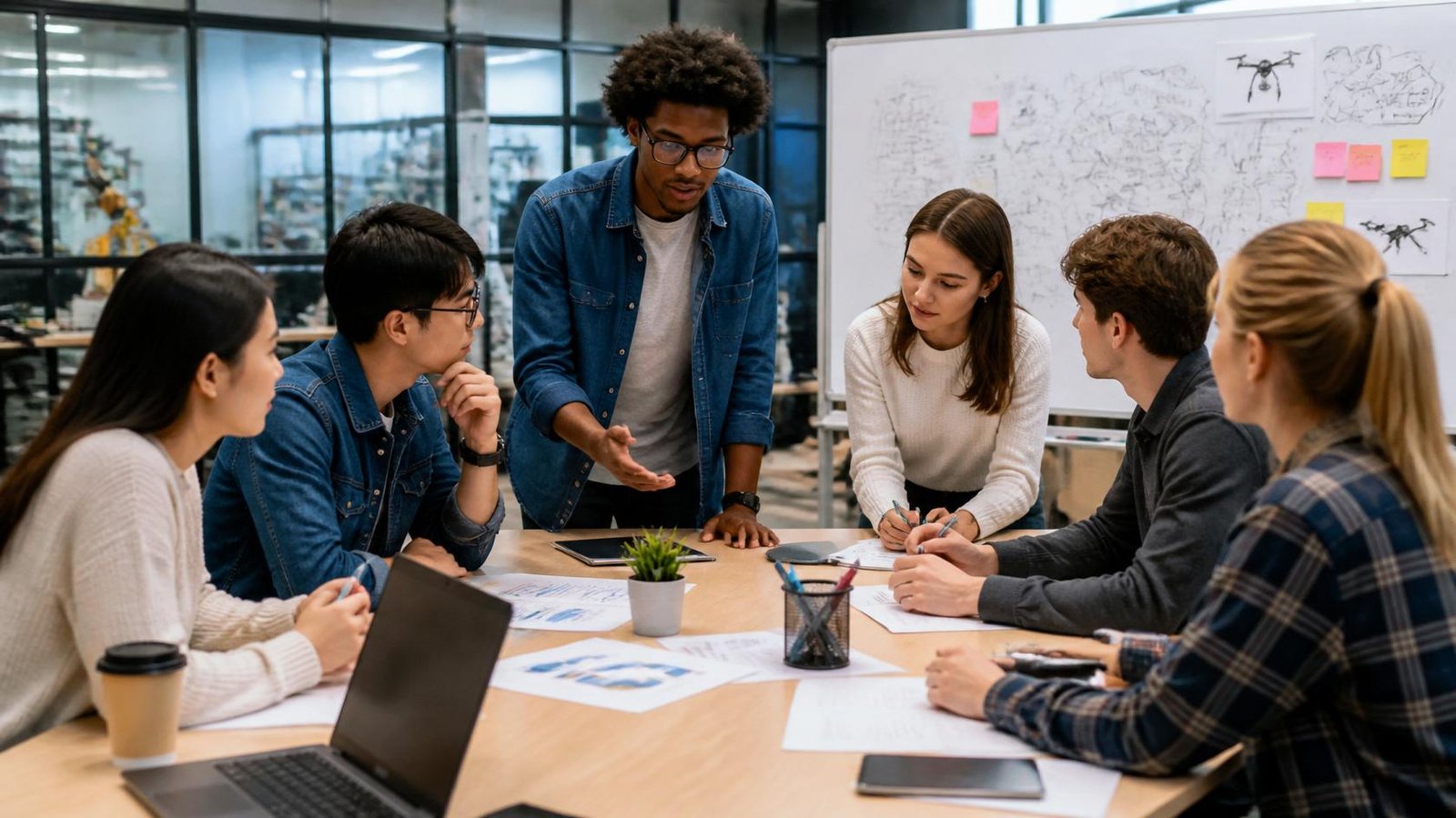
Modern organizations depend on collaboration.
Students should develop the ability to:
- Share responsibilities.
- Respect different opinions.
- Support team members.
- Complete assigned tasks.
- Resolve disagreements professionally.
Group assignments provide valuable teamwork experience.
Leadership Skills
Leadership involves taking responsibility and guiding others toward shared objectives.
Students develop leadership by:
- Organizing projects.
- Leading student organizations.
- Coordinating group activities.
- Supporting classmates.
- Taking initiative during assignments.
Leadership experience strengthens future career opportunities.
Digital Literacy
Most professions require digital skills.
Students should become familiar with:
- Word processing software
- Presentation applications
- Spreadsheet software
- Online collaboration tools
- Cloud storage
- Virtual meeting platforms
Digital literacy improves workplace efficiency.
Critical Thinking
Critical thinking helps students evaluate information before making decisions.
Students strengthen critical thinking by:
- Researching multiple sources.
- Comparing different viewpoints.
- Asking meaningful questions.
- Evaluating evidence.
- Supporting conclusions with facts.
Employers value employees who make thoughtful decisions.
Adaptability
Workplaces continue changing because of technology, business needs, and industry developments.
Students should remain open to:
- Learning new software.
- Accepting feedback.
- Working in different environments.
- Solving unexpected problems.
- Adjusting to changing responsibilities.
Adaptability supports long-term career growth.
Professional Ethics
Professional ethics influence workplace trust.
Students should demonstrate:
- Honesty
- Responsibility
- Respect
- Accountability
- Reliability
- Confidentiality
Ethical behavior builds professional credibility.
Networking Skills
Professional relationships create learning and employment opportunities.
Students can expand their networks through:
- Career fairs
- University events
- Alumni programs
- Professional seminars
- Internship experiences
- Industry workshops
Networking often leads to valuable career guidance.
Research Skills
Research supports informed decision-making.
Students improve research skills by:
- Using academic databases.
- Reading professional publications.
- Collecting reliable information.
- Evaluating sources carefully.
- Organizing research findings.
Research skills remain valuable across many professions.
Decision-Making Skills
Career success often depends on thoughtful decisions.
Students should learn to:
- Compare alternatives.
- Evaluate risks.
- Consider long-term outcomes.
- Gather relevant information.
- Select practical solutions.
Decision-making improves confidence.
Interview Skills
Job interviews allow employers to evaluate candidates beyond resumes.
Students should prepare by:
- Practicing interview questions.
- Researching employers.
- Explaining career goals.
- Discussing educational experiences.
- Demonstrating confidence.
Preparation improves interview performance.
Resume Writing Skills
A resume introduces students to employers.
An effective resume includes:
- Contact information
- Education
- Skills
- Internship experience
- Projects
- Certifications
- Volunteer work
Students should update resumes regularly.
Internship Experience
Internships provide practical workplace learning.
Benefits include:
- Understanding workplace expectations.
- Developing technical skills.
- Building professional networks.
- Improving resumes.
- Exploring career interests.
Practical experience strengthens future job applications.
Continuous Learning
Graduation is not the end of learning.
Students should continue developing skills through:
- Professional certifications
- Online courses
- Industry workshops
- Technical training
- Professional reading
Continuous learning supports career advancement.
Common Career Preparation Mistakes
Students should avoid:
- Waiting until graduation to build skills.
- Ignoring internships.
- Neglecting communication development.
- Avoiding networking opportunities.
- Failing to update resumes.
- Ignoring digital skill development.
- Depending only on academic grades.
Recognizing these mistakes improves career readiness.
Practical Career Development Tips
Students can prepare for employment by following these practices:
- Learn one new workplace skill every semester.
- Participate in internships whenever possible.
- Join professional organizations.
- Attend career fairs.
- Build a professional online profile.
- Practice interview techniques.
- Improve communication through presentations.
- Complete projects outside coursework.
- Seek guidance from mentors.
- Continue learning after graduation.
Frequently Asked Questions
Why should students develop career skills before graduation?
Early preparation helps students perform better during internships, interviews, and full-time employment.
Which career skill is most important?
Communication, teamwork, problem-solving, digital literacy, and time management are valuable across most professions.
How can students improve workplace skills?
Students can participate in internships, volunteer work, classroom projects, workshops, and professional events.
Are academic grades enough to secure employment?
Grades are important, but employers also evaluate practical workplace skills and professional experience.
How does networking help students?
Networking creates opportunities to learn from professionals, discover job openings, and receive career guidance.