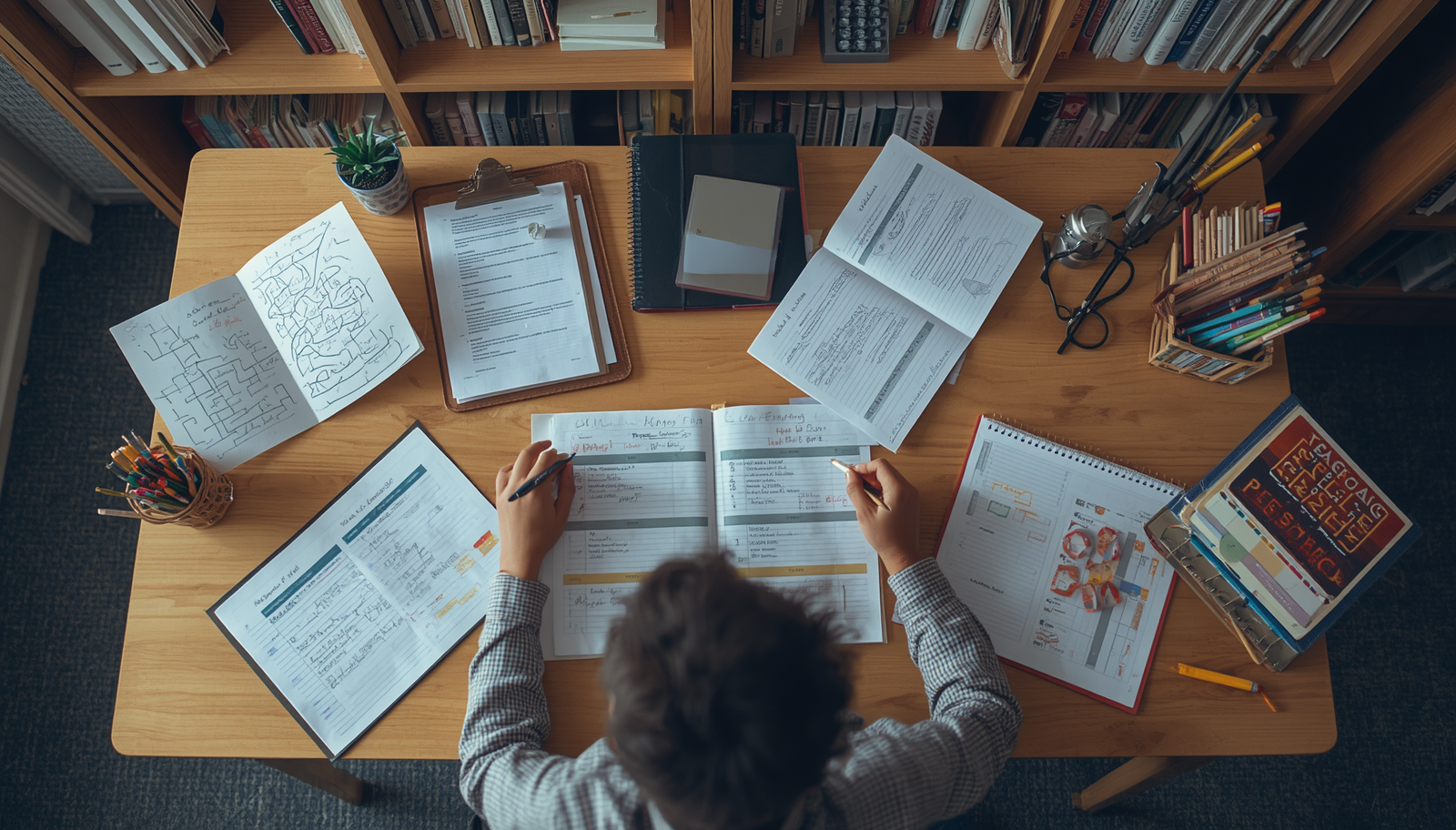
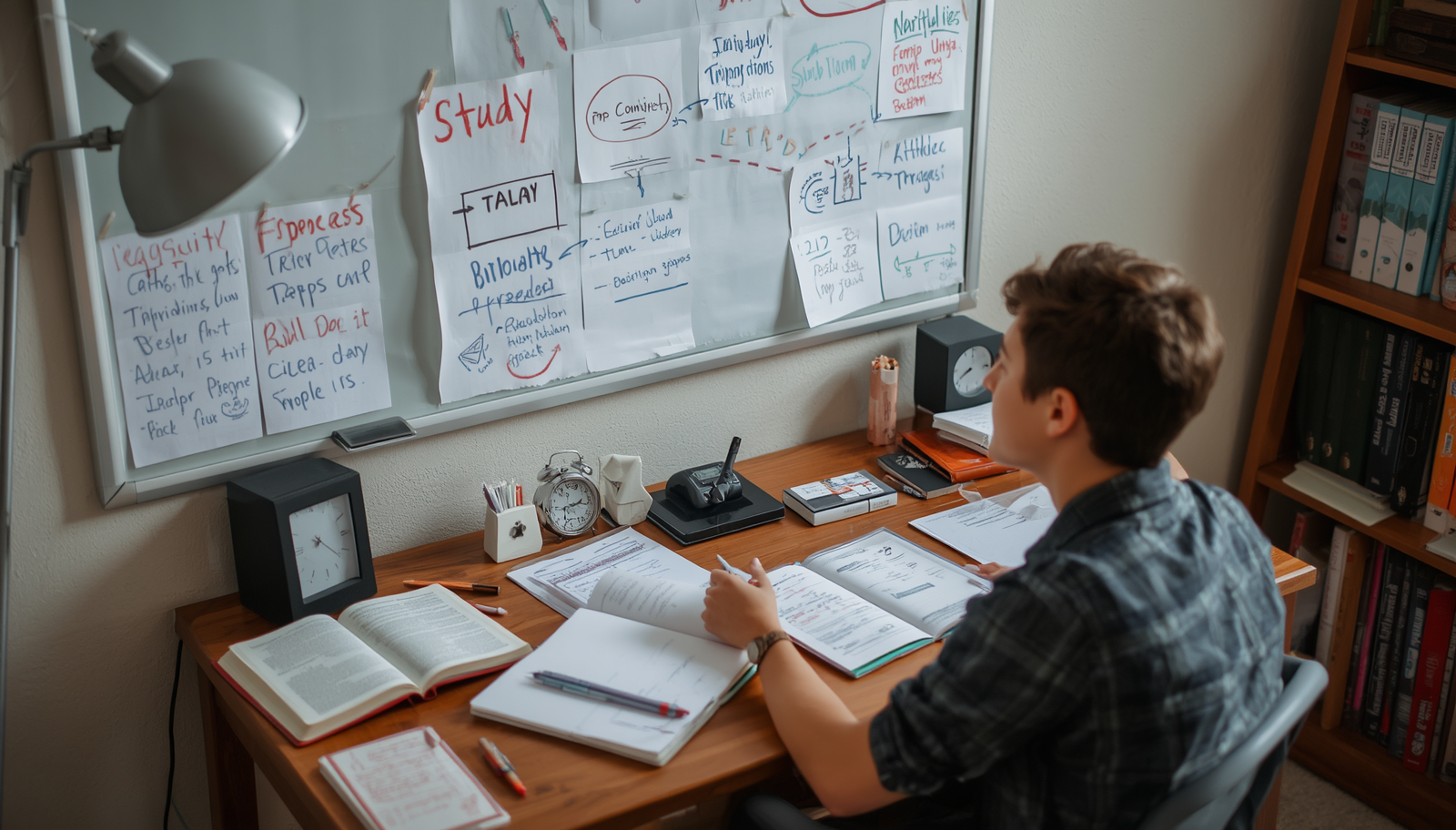
Learning is a continuous process that helps students gain knowledge, develop skills, and prepare for academic and professional goals. Every student has a different learning style, but effective study methods can help improve understanding, memory, and academic progress.
Many students spend time studying but struggle to remember information or apply concepts during examinations. The reason is often related to study methods, planning, organization, and learning habits. Improving learning does not only require more study hours. It requires better strategies that help students use their time and resources properly.
Study skills help students understand subjects, complete assignments, prepare for examinations, and develop independent learning abilities. By following practical study tips, students can create better learning routines and improve their academic performance.
This article explains study tips to improve learning, including goal setting, time management, note-taking, revision methods, active learning, technology use, and strategies for long-term knowledge development.
Set Clear Learning Goals
Goals help students understand what they want to achieve.
Before starting a study session, students should decide:
- What topic they need to study
- What skills they want to develop
- What tasks they need to complete
- What progress they want to make
Clear goals provide direction and help students remain focused.
Students can create daily, weekly, and monthly learning goals. Small goals make large tasks easier to manage.
Create a Study Routine
A regular study routine helps students build consistency.
A study routine may include:
- Reviewing class lessons
- Completing assignments
- Practicing questions
- Reading textbooks
- Preparing notes
- Revising important topics
Students should create routines according to their academic needs and available time.
Regular study habits help the brain process and remember information.
Manage Study Time Properly
Time management plays an important role in learning.
Students can improve time management by:
- Creating a study timetable
- Setting priorities
- Dividing tasks into sections
- Avoiding delays
- Tracking completed work
Students should focus on important tasks first and complete work according to deadlines.
Good time management helps students balance studies with other responsibilities.
Choose the Right Study Environment
The study environment affects concentration and learning.
Students should prepare a study area with:
- Necessary books
- Notebook
- Writing materials
- Computer or tablet
- Proper lighting
- Comfortable seating
A suitable study environment reduces interruptions and helps students focus.
Students should keep their learning space organized to improve productivity.
Remove Distractions
Distractions can reduce learning effectiveness.
Common distractions include:
- Mobile notifications
- Social media
- Entertainment content
- Unnecessary conversations
- Background noise
Students can reduce distractions by:
- Turning off notifications
- Keeping devices away when unnecessary
- Setting specific study times
- Creating a quiet learning space
Focused study sessions help students understand topics better.
Take Organized Notes
Note-taking helps students remember information from classes and books.
Effective notes should include:
- Main points
- Important definitions
- Examples
- Formulas
- Questions
- Explanations
Students should use headings, lists, and diagrams to organize information.
Good notes make revision easier and save time before examinations.
Understand Concepts Before Memorizing
Understanding concepts improves long-term learning.
Students should:
- Read explanations carefully
- Ask questions
- Connect ideas
- Practice examples
- Explain topics in their own words
Memorization can help remember information, but understanding allows students to use knowledge in different situations.
Use Active Learning Techniques
Active learning involves participation instead of only reading information.
Students can improve learning through:
- Solving questions
- Explaining concepts
- Teaching others
- Creating summaries
- Participating in discussions
Active learning improves understanding and memory.
Practice Regularly
Practice helps students strengthen knowledge.
Students should practice:
- Exercises
- Previous questions
- Writing tasks
- Problem-solving activities
- Subject quizzes
Regular practice helps identify weak areas and improve skills.
Review Lessons Frequently
Regular revision helps students remember information.
Students should:
- Review notes after classes
- Revise weekly topics
- Practice important concepts
- Repeat difficult lessons
Frequent review prevents forgetting information.
Use Different Learning Methods
Different learning methods help students understand topics from different angles.
Students can use:
- Reading
- Writing summaries
- Watching educational videos
- Listening to explanations
- Solving problems
- Group discussions
Using multiple methods supports deeper learning.
Improve Reading Skills
Reading skills are important for every subject.
Students can improve reading by:
- Reading regularly
- Identifying key information
- Making summaries
- Learning new words
- Asking questions about content
Strong reading skills improve understanding and academic performance.
Improve Writing Skills
Writing helps students organize and express ideas.
Students should practice:
- Essays
- Reports
- Answers
- Summaries
- Research notes
Writing regularly improves communication and academic work.
Use Technology for Learning
Technology provides many learning opportunities.
Students can use:
- Online courses
- Educational websites
- Digital libraries
- Learning applications
- Video lessons
Technology supports learning when used with proper planning.
Create Study Summaries
Summaries help students review information quickly.
Students should create summaries by:
- Writing main ideas
- Removing unnecessary details
- Highlighting important points
- Organizing information
Summaries are useful during revision.
Use Flashcards for Memory
Flashcards help students remember important information.
They are useful for:
- Definitions
- Vocabulary
- Formulas
- Dates
- Scientific terms
Students can review flashcards regularly to improve recall.
Learn Through Questions
Questions improve understanding.
Students should ask:
- Why does this concept work?
- How can this information be applied?
- What are the important points?
- How is this related to previous topics?
Question-based learning encourages deeper thinking.
Study With Classmates
Group study can support learning.
Students can:
- Share notes
- Explain topics
- Discuss problems
- Review lessons
Working with classmates provides different viewpoints and learning approaches.
Ask Teachers for Support
Teachers provide guidance and explanations.
Students should ask teachers about:
- Difficult concepts
- Assignments
- Examination preparation
- Learning methods
Teacher feedback helps students improve.
Track Learning Progress
Students should monitor their progress regularly.
They can track:
- Completed topics
- Test results
- Assignment performance
- Learning goals
Tracking progress helps students understand improvement areas.
Prepare for Examinations Early
Early preparation reduces pressure.
Students should:
- Review lessons regularly
- Practice examination questions
- Create revision plans
- Focus on difficult topics
Preparation over time improves examination readiness.
Learn From Mistakes
Mistakes provide learning opportunities.
Students should:
- Review incorrect answers
- Understand errors
- Practice again
- Ask for explanations
Learning from mistakes improves knowledge and problem-solving skills.
Maintain Healthy Study Habits
Good habits support continuous learning.
Students should:
- Sleep properly
- Take breaks
- Stay organized
- Maintain routines
- Balance study and personal activities
Healthy habits support concentration and memory.
Stay Motivated During Learning
Motivation helps students continue their studies.
Students can stay motivated by:
- Setting achievable goals
- Tracking progress
- Recognizing improvement
- Connecting studies with future plans
A clear purpose helps students continue learning.
Avoid Multitasking While Studying
Multitasking can reduce concentration.
Students should focus on one task at a time.
Single-task learning helps students:
- Understand information
- Complete work faster
- Reduce mistakes
Focused attention improves learning quality.
Develop Independent Learning Skills
Independent learning helps students take responsibility for education.
Students should learn how to:
- Find information
- Use resources
- Solve problems
- Plan studies
- Evaluate progress
Independent learners continue improving beyond classrooms.
Benefits of Better Study Methods
Effective study methods help students:
- Improve understanding
- Remember information
- Manage time
- Prepare for exams
- Develop skills
- Increase confidence
Better study methods support academic growth.