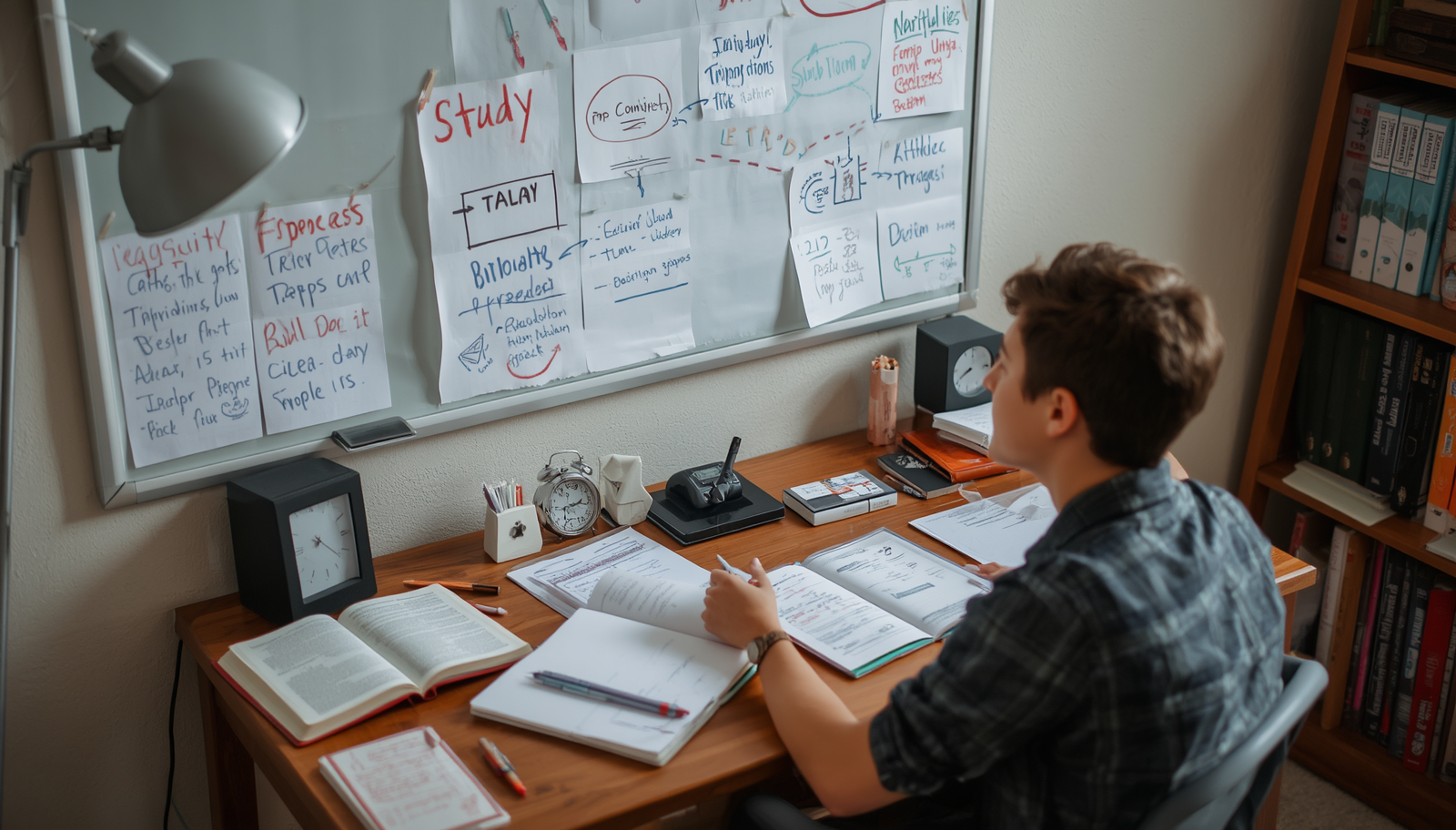

Studying is a process that helps students gain knowledge, improve skills, and prepare for academic goals. Many students spend hours reading books and reviewing notes but do not get the results they expect. The reason is often not the amount of time spent studying but the way they use that time.
Effective study methods help students understand information, remember concepts, and complete academic tasks with better results. A good study routine allows students to manage their time, reduce stress, and improve learning outcomes.
Every student has a different learning style, but some study practices can help almost everyone. Building the right habits, creating a study plan, staying focused, and using proper learning techniques can make studying more productive.
Create a Study Schedule
A study schedule helps students organize their academic responsibilities. Without a plan, students may delay important tasks and struggle before exams.
Start by listing subjects, assignments, projects, and deadlines. Divide large tasks into smaller parts and assign time for each activity. A schedule should include study sessions, breaks, and time for other responsibilities.
Following a study schedule helps students develop consistency. Studying at the same time each day can train the mind to focus during that period.
A study plan should also allow changes. Unexpected events may affect the routine, so students should update their schedule when needed.
Set Clear Study Goals
Students should know what they want to achieve before starting a study session. Clear goals give direction and help maintain attention.
Instead of setting a general goal such as studying science, create a specific goal such as completing a chapter, solving practice questions, or reviewing notes.
Small goals make large tasks easier to manage. Completing small steps also creates progress and encourages students to continue learning.
Choose a Suitable Study Environment
The place where students study affects their concentration. A study area should help students focus on their work.
Students should choose a place with fewer distractions. Keeping books, notebooks, and required materials nearby saves time and prevents interruptions.
Mobile phones, social media, and unnecessary noise can reduce attention. Students should limit these distractions during study sessions.
A regular study location can also create a connection between the place and the learning process. Over time, entering that space can help the mind prepare for study.
Avoid Multitasking While Studying
Many students try to study while checking messages, watching videos, or using social media. This habit divides attention and reduces understanding.
The human brain works better when it focuses on one task at a time. Students should complete one activity before moving to another.
For example, during a mathematics session, focus on solving problems instead of switching between different activities. After finishing the study task, students can take time for other activities.
Focused study sessions often produce better results than long sessions with interruptions.
Use Active Learning Methods
Reading information again and again does not always lead to understanding. Active learning methods require students to interact with the material.
Students can use different techniques, such as:
- Explaining topics in their own words
- Asking questions about the lesson
- Creating summaries
- Solving practice problems
- Teaching concepts to another person
These methods help students process information and identify areas that need more attention.
Take Notes During Classes
Taking notes helps students remember important information from lessons. Good notes should include key points, examples, and explanations.
Students should avoid writing every word from a lecture. Instead, they should focus on main ideas and important details.
After class, reviewing notes helps strengthen memory. Students can add missing information while the lesson is still fresh in their minds.
Different note-taking methods can be used according to personal preference. Some students prefer outlines, while others use diagrams or question-based notes.
Practice Regular Revision
Revision is an important part of learning. Many students wait until exams are close before reviewing material. This can create pressure and reduce understanding.
Regular revision helps information stay in memory for a longer time. Students can review topics weekly instead of trying to remember everything at once.
Short revision sessions are often easier to manage than long sessions before exams.
Reviewing previous lessons also helps students connect new information with existing knowledge.
Use the Spaced Repetition Method
Spaced repetition is a study method where students review information at different time intervals.
Instead of studying a topic once and forgetting it, students review it after a short period, then again after longer periods.
This method supports long-term memory and helps students remember information during exams.
Flashcards, question lists, and review apps can support spaced repetition.
Understand Before Memorizing
Memorization can help in some subjects, but understanding information is important for long-term learning.
When students understand a concept, they can apply it in different situations. They can answer questions that require thinking instead of only recalling information.
Before trying to memorize, students should focus on understanding the meaning of the topic.
Asking questions such as “Why does this happen?” and “How does this work?” can improve understanding.
Break Study Time Into Sessions
Studying for many hours without breaks can reduce concentration. The brain needs time to rest and process information.
Students can divide study time into shorter sessions with breaks between them. For example, studying for a period followed by a short break can help maintain attention.
During breaks, students can walk, drink water, or relax for a few minutes.
Breaks should not become long distractions. Returning to study on time keeps the routine effective.
Manage Time Properly
Time management is a skill that helps students handle academic work and personal activities.
Students should identify important tasks and complete them according to priority. Difficult subjects may require more time and should receive proper attention.
Avoiding delays is also important. Starting assignments early gives students enough time to review and improve their work.
Using calendars, planners, or digital tools can help track responsibilities.
Sleep Properly
Sleep plays an important role in learning and memory. Lack of sleep can affect concentration and reduce the ability to remember information.
Students should maintain a regular sleep routine, especially during exam periods.
Studying late at night may seem useful, but tiredness can reduce learning ability. Proper rest allows the brain to process information.
Maintain Physical Health
Physical health supports academic performance. Students should pay attention to basic needs such as food, water, movement, and rest.
Drinking enough water and eating balanced meals can support energy levels during study sessions.
Physical activity can also help improve focus. Simple activities such as walking or stretching can support overall well-being.
Use Technology for Learning
Technology can support education when used correctly. Students can use online resources, educational platforms, digital notes, and learning applications.
However, technology can also create distractions. Students should use digital tools with clear goals.
Before using an online resource, students should check whether it supports their learning objective.
Study With Others
Group study can help students learn through discussion and explanation. Sharing ideas with classmates can improve understanding.
Students should choose study partners who remain focused on learning goals.
During group sessions, each person can explain topics, ask questions, and solve problems together.
Group study should support individual learning, not replace personal study time.
Ask for Help When Needed
Students should seek support when they face difficulties. Teachers, classmates, and educational resources can provide guidance.
Ignoring problems can make topics harder to understand later. Asking questions helps students solve confusion and improve knowledge.
Successful students understand that learning involves continuous improvement.
Stay Positive During Learning
A positive approach helps students continue working when subjects become difficult.
Students should focus on progress instead of comparing themselves with others. Every person learns at a different pace.
Mistakes are part of the learning process. Reviewing mistakes helps students identify problems and improve future performance.
Prepare Before Exams
Exam preparation should begin before the final days. Regular study habits make exam preparation easier.
Students should review important topics, practice previous questions, and create revision plans.
Before exams, students should organize materials and avoid unnecessary stress.
Good preparation helps students enter exams with better understanding and confidence.