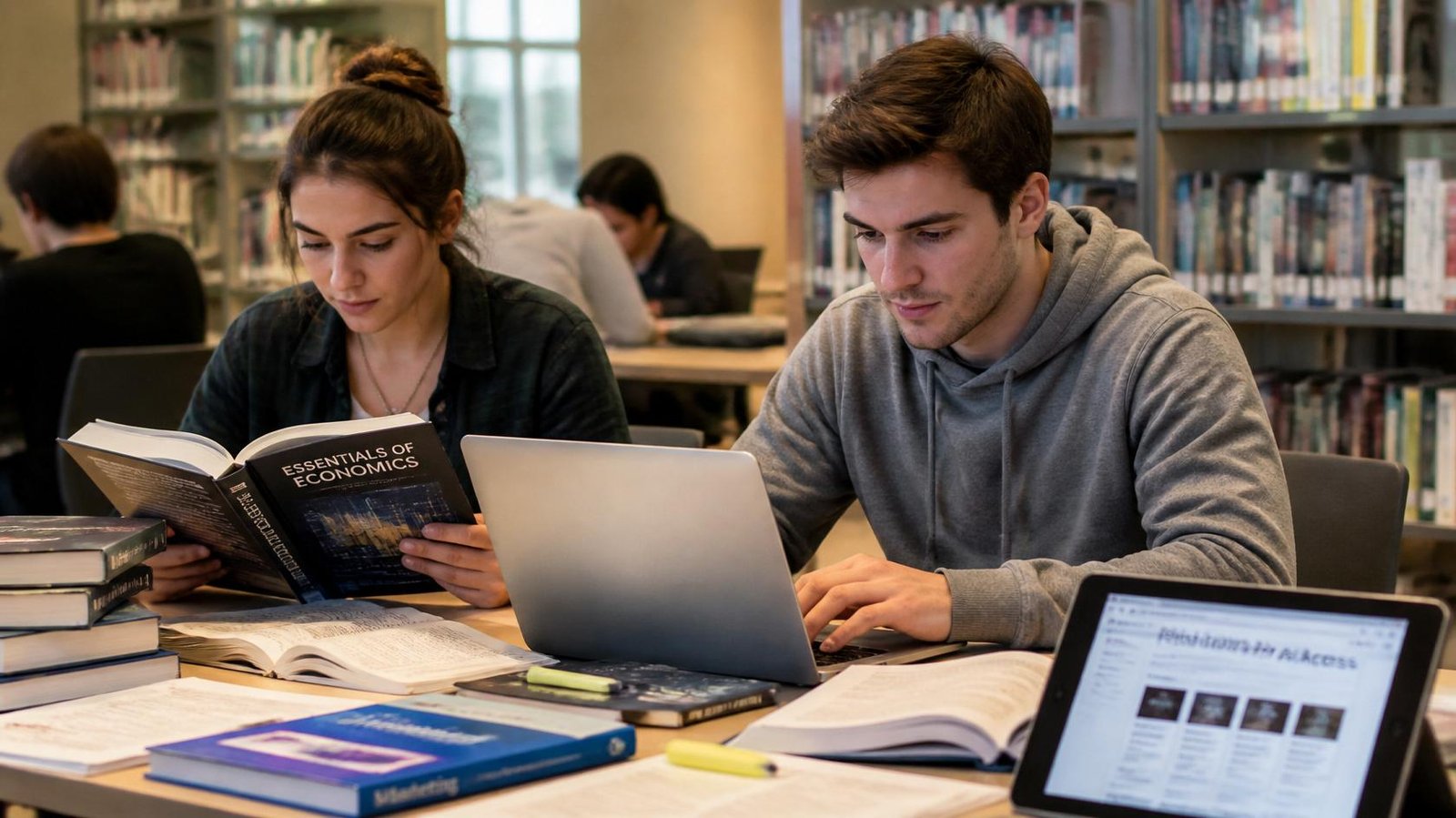

Examinations are part of every stage of education. Students prepare for school tests, college assessments, university examinations, entrance tests, and competitive exams throughout their academic journey. Success in examinations depends on planning, regular study, revision, practice, and effective learning methods. A study guide provides a structured approach that helps students understand subjects, organize study sessions, and prepare with confidence.
Many students begin studying only a few days before an examination. This approach often leads to incomplete preparation and difficulty recalling information. A study guide helps students create a long-term learning plan, review topics regularly, and develop habits that support consistent academic progress.
This guide explains study planning, revision strategies, time management, note-taking, practice methods, examination preparation, learning resources, and techniques that contribute to academic success.
What Is a Study Guide?
A study guide is a structured learning resource that helps students prepare for examinations and understand academic subjects. It organizes information into manageable sections and provides methods for learning and revision.
A study guide may include:
- Learning objectives
- Chapter summaries
- Key concepts
- Definitions
- Formulas
- Practice questions
- Review checklists
- Sample examination papers
- Revision schedules
Students can use study guides throughout the academic year rather than only before examinations.
Why Study Guides Matter
Study guides help students stay organized and focused on learning goals.
They help students:
- Plan study sessions
- Track completed topics
- Review lessons
- Practice examination questions
- Prepare for tests
- Monitor progress
- Build study habits
Following a study guide reduces confusion and improves consistency.
Understanding the Examination Syllabus
The syllabus outlines the topics that students need to study.
Before preparing for an examination, students should:
- Read the syllabus carefully
- Identify important topics
- Divide chapters into sections
- Mark completed lessons
- List areas that require additional practice
Studying according to the syllabus prevents unnecessary preparation.
Create a Study Plan
A study plan helps students organize learning over several weeks or months.
A study plan should include:
- Daily study sessions
- Weekly revision
- Practice tests
- Assignment deadlines
- Examination dates
- Rest periods
Students should follow their schedule consistently and adjust it when necessary.
Set Study Goals
Each study session should have a clear objective.
Examples include:
- Finish one chapter
- Solve twenty mathematics questions
- Review science notes
- Complete history revision
- Practice essay writing
Goals help students remain focused during study time.
Manage Study Time
Time management is essential during examination preparation.
Students can improve time management by:
- Prioritizing difficult subjects
- Dividing large tasks into smaller sections
- Avoiding unnecessary distractions
- Following a daily routine
- Reviewing completed work
Organized time management supports steady progress.
Organize Study Materials
Students should keep learning resources organized.
Useful materials include:
- Textbooks
- Study guides
- Class notes
- Practice papers
- Flashcards
- Assignment folders
Organized materials reduce time spent searching for information.
Take Effective Notes
Notes support learning and revision.
Effective notes should contain:
- Main ideas
- Important terms
- Examples
- Formulas
- Diagrams
- Key dates
Students should update notes after every class.
Review Lessons Regularly
Regular revision improves memory and understanding.
Students should:
- Review notes after class
- Read chapter summaries
- Solve review questions
- Revise weekly
Frequent revision reduces last-minute preparation.
Practice Active Learning
Learning becomes more effective when students participate actively.
Examples include:
- Answering questions
- Solving exercises
- Explaining topics aloud
- Teaching classmates
- Creating summaries
Active learning strengthens understanding.
Solve Practice Papers
Practice papers prepare students for examination conditions.
Benefits include:
- Understanding question formats
- Improving speed
- Building confidence
- Identifying weak topics
- Practicing time management
Students should complete practice papers without interruptions.
Use Previous Examination Papers
Previous examination papers help students understand question patterns.
Students can:
- Identify repeated topics
- Practice time allocation
- Improve answering techniques
- Measure preparation levels
Past papers remain valuable revision tools.
Revise Important Concepts
Revision should focus on:
- Definitions
- Formulas
- Dates
- Diagrams
- Processes
- Key theories
Students should revise important concepts multiple times before examinations.
Read Textbooks Carefully
Textbooks provide complete explanations of academic topics.
Students should:
- Read every chapter
- Highlight important information
- Answer review questions
- Compare notes with textbooks
Textbooks remain one of the primary learning resources.
Use Digital Learning Resources
Online education provides additional study opportunities.
Students can use:
- Educational websites
- Online courses
- Video lessons
- Digital libraries
- Learning applications
Digital resources support classroom learning.
Group Study
Group study allows students to learn from one another.
Benefits include:
- Sharing notes
- Solving questions
- Discussing concepts
- Reviewing lessons
- Preparing for examinations
Students should maintain focus during group discussions.
Ask Teachers for Guidance
Teachers provide academic support during examination preparation.
Students should ask about:
- Difficult topics
- Examination patterns
- Revision strategies
- Assignment feedback
Teacher guidance improves understanding.
Complete Homework
Homework reinforces classroom learning.
Students should:
- Finish assignments on time
- Review answers
- Correct mistakes
- Ask questions when needed
Homework contributes to examination preparation.
Improve Reading Skills
Reading supports learning across all subjects.
Students should:
- Read textbooks
- Read reference materials
- Practice comprehension
- Learn academic vocabulary
Reading improves subject understanding.
Improve Writing Skills
Writing skills are important for assignments and examinations.
Students should practice:
- Essays
- Reports
- Summaries
- Short answers
- Long answers
Writing practice improves communication and examination performance.
Build Problem-Solving Skills
Problem-solving is important in many subjects.
Students should practice:
- Mathematics problems
- Science calculations
- Case studies
- Logical reasoning
Regular practice develops analytical thinking.
Prepare for Competitive Exams
Competitive examinations require long-term preparation.
Students should:
- Follow the official syllabus
- Practice mock tests
- Review concepts regularly
- Monitor progress
- Improve accuracy
Preparation over time supports better examination results.
Stay Organized During Exam Season
Students should organize:
- Study schedules
- Examination timetables
- Notes
- Practice papers
- Assignments
Organization reduces unnecessary stress.
Track Learning Progress
Students should evaluate progress throughout preparation.
Methods include:
- Practice test scores
- Assignment results
- Chapter completion
- Revision checklists
Tracking progress helps students identify areas for improvement.
Common Study Mistakes
Many students reduce their examination performance by:
- Delaying revision
- Ignoring weak subjects
- Depending only on memorization
- Skipping practice papers
- Studying without a plan
Recognizing these mistakes supports better preparation.
Build Long-Term Study Habits
Study habits influence academic success throughout education.
Useful habits include:
- Reading every day
- Reviewing notes
- Completing homework
- Solving practice questions
- Following a study schedule
Consistency improves learning.
Academic Success Beyond Examinations
Academic success includes more than examination scores.
Students also benefit from:
- Communication skills
- Research skills
- Critical thinking
- Time management
- Independent learning
- Classroom participation
These abilities support higher education and future careers.
The Role of Teachers
Teachers guide students by:
- Explaining concepts
- Conducting assessments
- Providing feedback
- Supporting revision
- Answering questions
Regular communication with teachers improves learning.
The Role of Parents
Parents support examination preparation by:
- Encouraging study routines
- Monitoring progress
- Providing learning resources
- Communicating with teachers
- Supporting educational goals
Family involvement contributes to student success.
Benefits of Using Study Guides
Students who use study guides can:
- Organize study sessions
- Improve revision
- Prepare for examinations
- Strengthen understanding
- Monitor academic progress
- Develop study habits
These practices support continuous learning.
Future of Study Resources
Education continues to change through technology.
Students now have access to:
- Online learning platforms
- Digital textbooks
- Artificial intelligence study tools
- Interactive learning systems
- Virtual classrooms
These resources expand opportunities for learning and examination preparation.