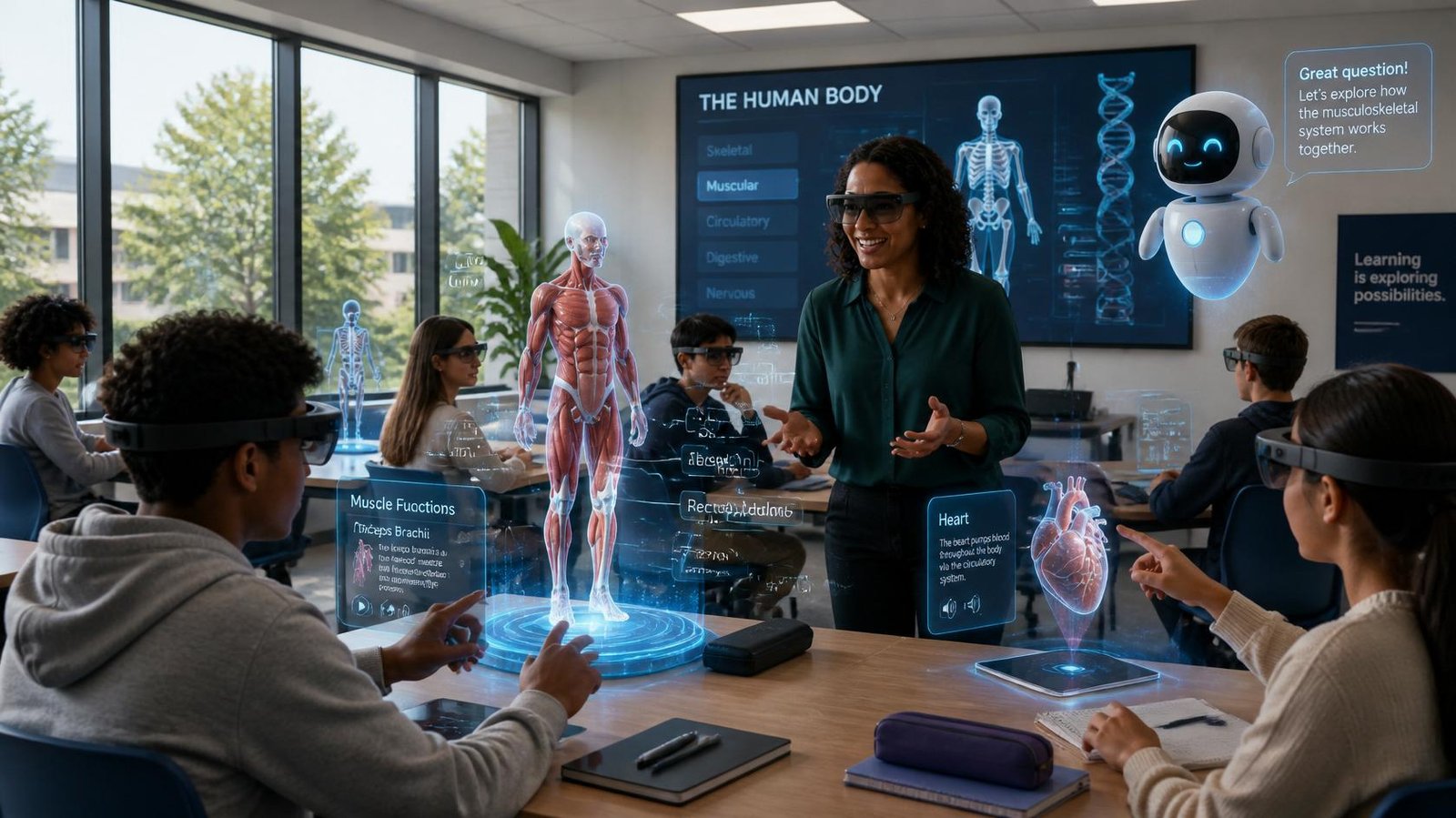
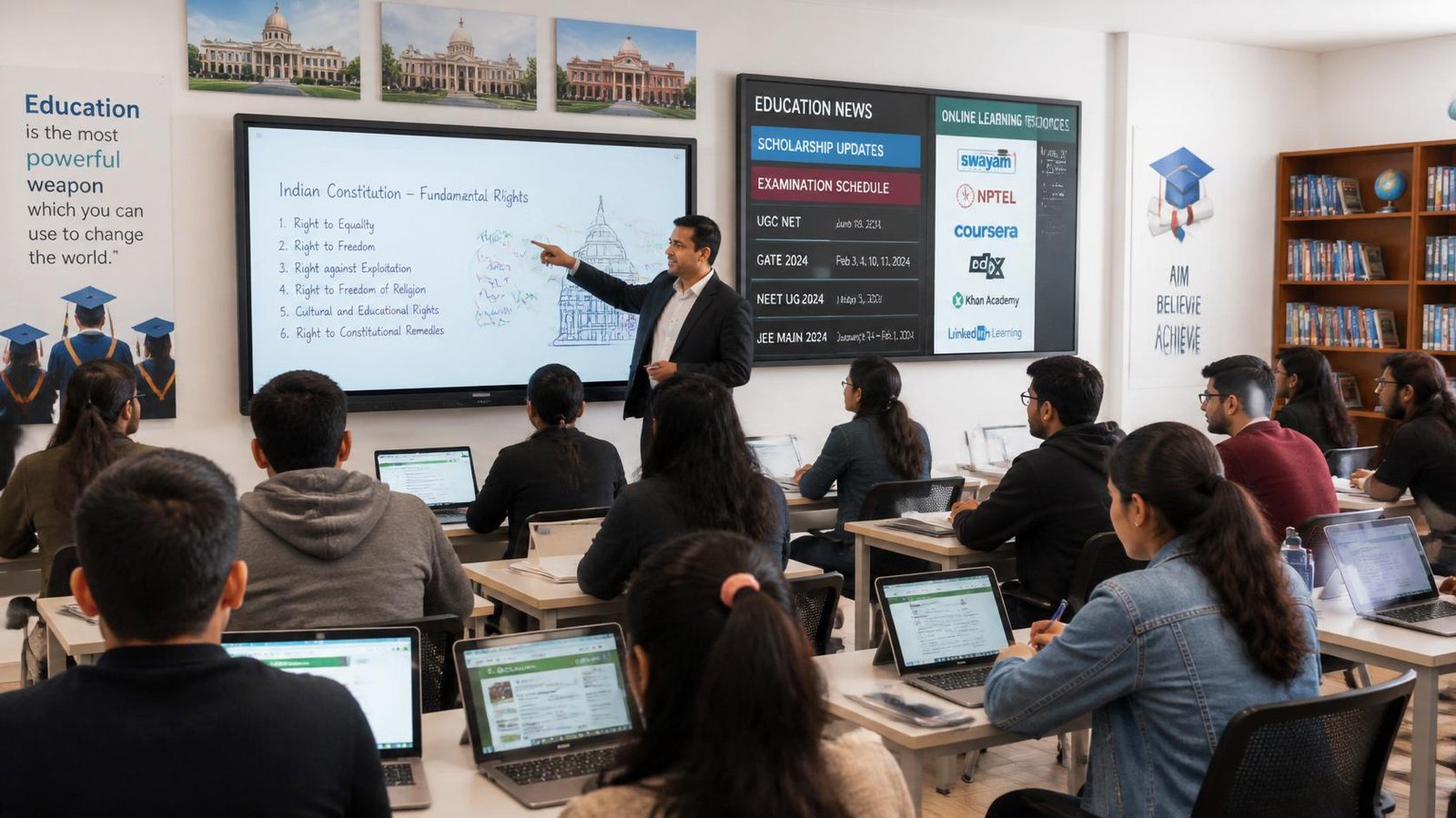
Education changes every year through new policies, digital learning, classroom practices, examinations, and skill development programs. Students and teachers need accurate information to make better decisions in school, college, and professional life. Education news helps people understand changes in curriculum, technology, scholarships, admissions, teacher training, and government initiatives.
The education sector connects learners, educators, institutions, parents, and policymakers. Every update can affect classroom learning, career planning, and academic performance. Students use education news to prepare for admissions, examinations, and scholarships. Teachers follow updates to improve classroom instruction and stay informed about educational standards.
This article explains the role of education news, recent trends, digital learning, examination updates, teacher development, scholarships, career planning, and the future of education.
What Is Education News?
Education news refers to reports and updates related to schools, colleges, universities, examinations, educational policies, research, teaching methods, student programs, and learning resources.
It covers topics such as:
- School admissions
- University admissions
- Examination schedules
- Scholarship announcements
- Government education policies
- Teacher recruitment
- Teacher training programs
- Online learning platforms
- Classroom technology
- Student competitions
- Educational research
- Career guidance
Students, teachers, parents, and educational institutions rely on these updates to stay informed throughout the academic year.
Why Education News Matters
Education news provides information that helps students and teachers make informed decisions.
For students, it offers updates about:
- Admission deadlines
- Entrance examinations
- Scholarship opportunities
- Internship programs
- Academic competitions
- Study resources
- Career options
For teachers, education news provides information about:
- Curriculum changes
- Teaching strategies
- Professional development
- Certification programs
- Educational technology
- Classroom management
- Government regulations
Access to current information supports better academic planning and teaching practices.
Digital Learning Continues to Grow
Digital learning has become part of education across schools, colleges, and universities. Many institutions now combine classroom instruction with online resources.
Students use digital platforms for:
- Video lectures
- Assignment submissions
- Online quizzes
- Group discussions
- Digital libraries
- Recorded lessons
Teachers use digital tools to:
- Prepare lesson plans
- Conduct virtual classes
- Share learning materials
- Track student progress
- Communicate with parents
- Assess assignments
Digital learning provides flexibility while supporting continuous education.
Online Education and Distance Learning
Distance education allows learners to continue their studies from different locations.
Many universities now offer:
- Online degree programs
- Certificate courses
- Diploma programs
- Professional development courses
- Skill-based learning
Students can balance education with work and personal responsibilities while gaining knowledge in different fields.
Teachers also participate in online workshops and training sessions to improve instructional methods.
Changes in School Education
Schools continue to introduce changes that focus on practical learning.
Many institutions encourage:
- Project-based learning
- Group activities
- Problem-solving exercises
- Classroom discussions
- Research assignments
- Practical experiments
These approaches help students develop skills that support academic and professional growth.
Schools also update classroom technology to improve learning experiences.
Examination Updates
Examinations remain an important part of academic assessment.
Education news provides updates about:
- Examination dates
- Registration deadlines
- Admit cards
- Result announcements
- Marking schemes
- Evaluation methods
- Rechecking procedures
Students who follow examination news can prepare according to official schedules and avoid missing important deadlines.
Teachers also receive information about examination guidelines and evaluation procedures.
Scholarship Opportunities
Scholarships support students who want to continue their education.
Many organizations offer scholarships based on:
- Academic performance
- Financial need
- Sports achievements
- Research work
- Community service
- Technical education
Education news regularly announces scholarship applications, eligibility requirements, and submission deadlines.
Students who stay informed have more opportunities to receive financial support.
Teacher Development Programs
Teachers continue learning throughout their careers.
Professional development programs include:
- Classroom management
- Subject knowledge
- Educational technology
- Student assessment
- Digital teaching
- Leadership training
Training programs help teachers improve instructional methods and classroom engagement.
Educational institutions encourage continuous learning among teaching staff.
Technology in Classrooms
Technology has become part of classroom instruction.
Many schools now use:
- Smart boards
- Digital presentations
- Learning management systems
- Educational software
- Online assessments
- Interactive learning platforms
Technology supports communication between teachers, students, and parents while making educational resources easier to access.
Career Guidance for Students
Career planning begins during school and continues through higher education.
Education news provides information about:
- Career opportunities
- Professional courses
- University programs
- Entrance examinations
- Internship opportunities
- Skill development
Students who explore career options early can choose academic paths that match their interests and future goals.
Career counseling also helps students understand employment trends.
Skill Development in Education
Academic knowledge alone is not enough for many careers.
Educational institutions now encourage students to develop skills such as:
- Communication
- Writing
- Public speaking
- Computer literacy
- Research
- Data analysis
- Teamwork
- Time management
- Problem solving
Skill development prepares students for higher education and employment.
Teachers also include practical activities that strengthen these abilities.
The Role of Teachers in Student Success
Teachers contribute to student learning through instruction, guidance, and assessment.
Their responsibilities include:
- Planning lessons
- Explaining concepts
- Evaluating assignments
- Supporting classroom participation
- Encouraging independent learning
- Providing academic guidance
Teachers also help students develop discipline, responsibility, and lifelong learning habits.
Continuous communication between teachers and students supports academic progress.
Educational Policies
Governments regularly introduce education policies that influence schools and universities.
Policy updates may include:
- Curriculum revisions
- Examination reforms
- Teacher recruitment
- School funding
- Student welfare programs
- Higher education initiatives
Education news helps institutions understand policy changes and implement them according to official guidelines.
Students also benefit from knowing how new policies affect their studies.
Research in Education
Educational research improves teaching methods and learning outcomes.
Researchers study topics such as:
- Student performance
- Classroom practices
- Learning technology
- Assessment methods
- Educational psychology
- Curriculum design
Research findings help schools improve instruction and student support services.
Teachers often apply research-based strategies in their classrooms.
The Importance of Reading Education News
Students and teachers benefit from reading education news on a regular basis.
Benefits include:
- Better academic planning
- Awareness of scholarship opportunities
- Preparation for examinations
- Knowledge of policy changes
- Access to learning resources
- Career planning
- Professional development
Reliable information helps people avoid confusion and make informed educational decisions.
Challenges in Education
Education continues to face several challenges.
Some common issues include:
- Access to quality education
- Internet connectivity
- Digital literacy
- Financial barriers
- Learning gaps
- Teacher shortages
- Examination pressure
Educational institutions continue working to address these issues through policy changes, technology, and community support.
Future Trends in Education
Education continues to evolve through technology and research.
Future developments may include:
- Artificial intelligence in learning
- Personalized education
- Virtual classrooms
- Digital assessments
- Interactive learning resources
- Data-driven teaching
- Expanded online education
Teachers and students who adapt to these changes will have access to new learning opportunities.
Educational institutions will continue updating programs to meet changing academic and workplace requirements.
Tips for Students
Students can stay informed by following education news regularly.
Useful practices include:
- Check official education announcements.
- Follow examination schedules.
- Apply for scholarships before deadlines.
- Participate in skill development programs.
- Read academic updates regularly.
- Prepare for entrance examinations early.
- Learn digital tools for education.
- Ask teachers for academic guidance.
These habits help students remain organized throughout their educational journey.
Tips for Teachers
Teachers can benefit from continuous learning and educational updates.
Recommended practices include:
- Attend professional training.
- Follow curriculum updates.
- Use digital teaching tools.
- Share learning resources.
- Participate in educational workshops.
- Support classroom discussions.
- Encourage independent learning.
- Track educational policy changes.
Professional growth supports better classroom instruction and student learning.