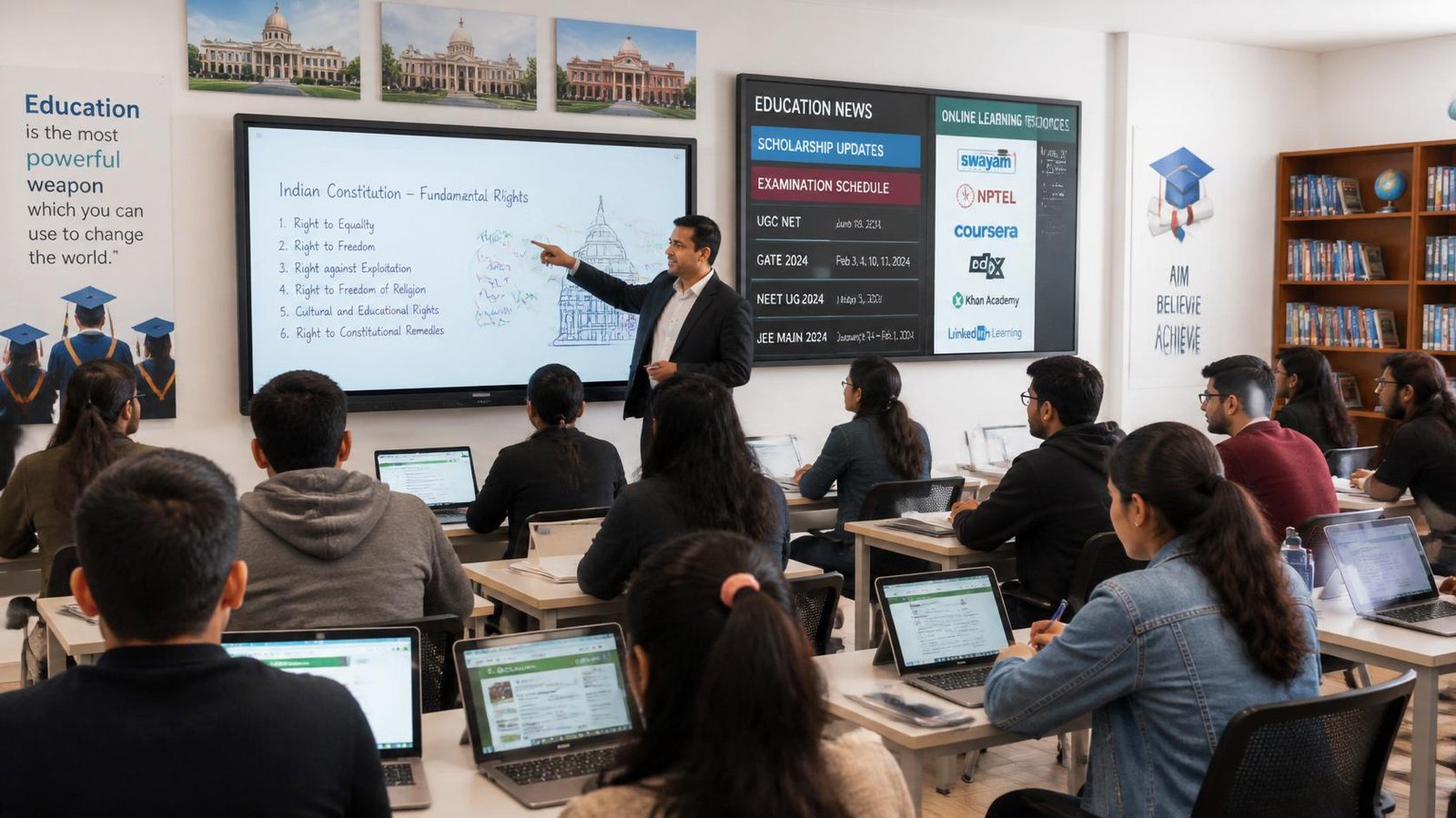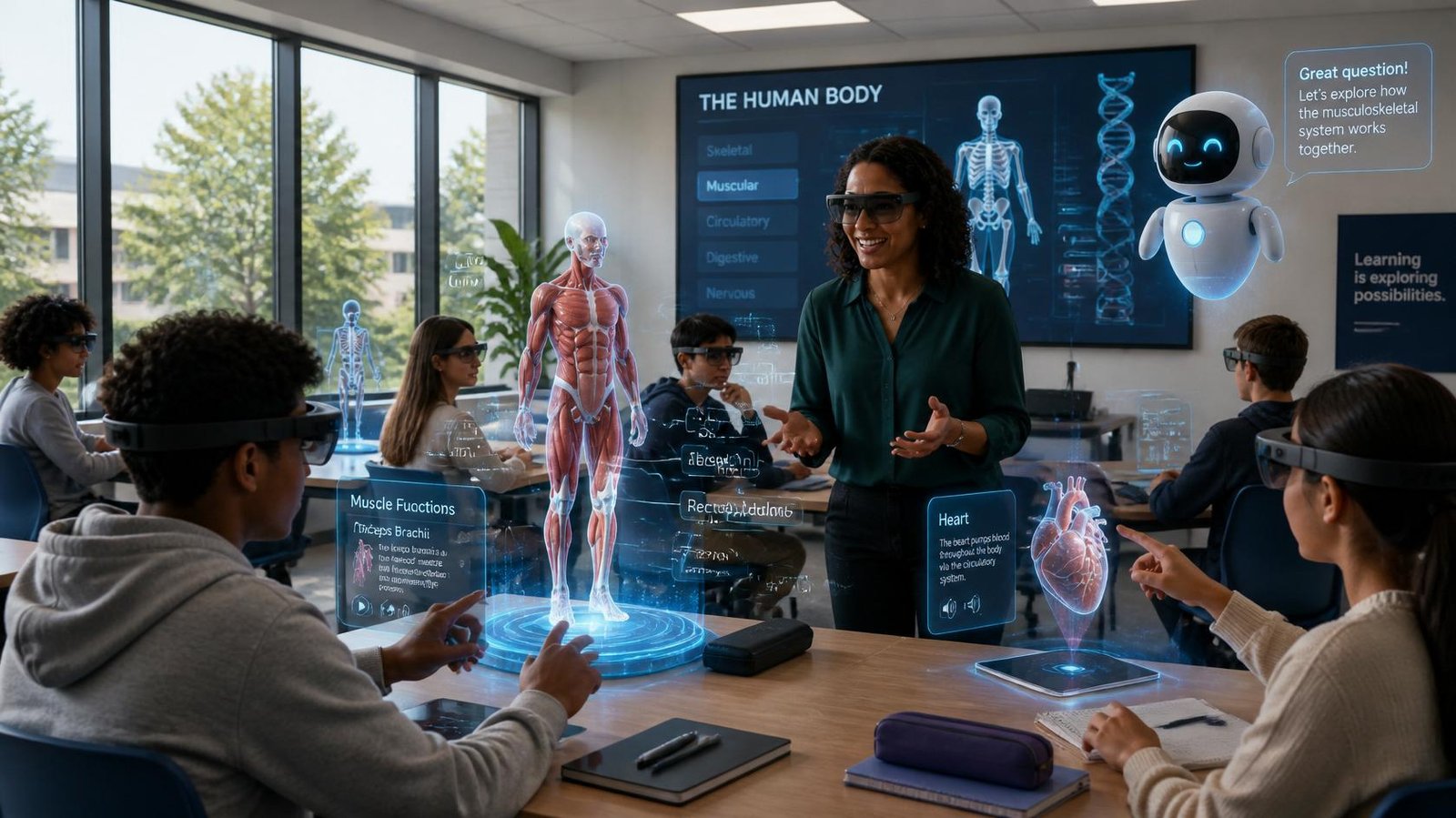

Education continues to change as governments, schools, universities, teachers, and students adapt to new policies, technology, and learning methods. This article covers the latest education news and updates, including changes in school systems, online learning, examination reforms, scholarships, digital education, teacher training, and higher education trends. It provides information that students, parents, teachers, and education professionals can use to stay informed.
Quick Overview of Recent Education Updates
| Topic | Latest Update | Impact |
|---|---|---|
| School Education | Curriculum revisions in several regions | Students receive updated learning materials |
| Online Learning | Growth of digital classrooms | More flexible access to education |
| Exams | New assessment methods introduced | Reduced focus on memorization |
| Scholarships | Expansion of scholarship programs | More opportunities for students |
| Teacher Training | Increased professional development programs | Better classroom teaching |
| Higher Education | Universities adding new skill-based courses | Improved career preparation |
| Technology in Education | Wider use of learning management systems | Easier access to study resources |
| Student Support | Mental health and counseling services expanded | Better student well-being |
Changes in School Education
Many education departments have started revising school curricula to match current academic and workforce needs. Subjects such as science, mathematics, computer studies, and social studies are being updated to include practical learning activities.
Schools are also introducing project-based learning, where students complete assignments that involve research, teamwork, and problem-solving. This approach helps students understand how classroom knowledge applies to real situations.
Several regions are reviewing textbook content to ensure that learning materials remain relevant and accurate. Updated textbooks are expected to be introduced gradually over the coming academic sessions.
Growth of Online Learning
Online learning has become a permanent part of education. Schools and universities continue to use digital platforms for lectures, assignments, quizzes, and communication with students.
Key developments in online education include:
- Live virtual classes
- Recorded lectures for revision
- Online assignment submission
- Digital attendance systems
- Interactive learning platforms
These tools allow students to continue learning even when they cannot attend physical classes. Many institutions are now using a combination of classroom teaching and online learning, often called blended learning.
Examination Reforms
Education boards and universities are making changes to examination systems. The goal is to test understanding rather than memorization.
Recent exam updates include:
- More analytical questions
- Case-study based assessments
- Practical evaluations
- Continuous assessment during the academic year
- Reduced dependence on a single final examination
These reforms aim to help students develop critical thinking and problem-solving skills.
Scholarships and Financial Assistance
Scholarship programs are expanding in many countries. Governments, universities, and private organizations are offering financial support to students based on academic performance, financial need, sports achievements, and research potential.
Common types of scholarships include:
| Scholarship Type | Purpose |
| Merit-Based | Awarded for academic performance |
| Need-Based | Support for students with financial challenges |
| Sports Scholarships | Support for talented athletes |
| Research Scholarships | Funding for research projects |
| International Scholarships | Support for students studying abroad |
Students are encouraged to check official university websites and government education portals regularly for application deadlines and eligibility requirements.
Technology in Education
Educational technology is becoming a major part of modern learning. Schools and universities are investing in digital tools that improve teaching and learning.
Popular educational technologies include:
- Learning management systems
- Digital libraries
- Educational mobile apps
- Virtual laboratories
- Artificial intelligence learning tools
These technologies help students access study materials, track progress, and receive personalized learning support.
Higher Education Trends
Universities are introducing new programs that focus on skills required in the modern job market. Courses related to technology, business, healthcare, data analysis, and environmental studies are gaining attention.
Some universities are also offering:
- Short certification courses
- Industry partnerships
- Internship programs
- Online degree programs
- Flexible study schedules
These changes help students gain practical experience while completing their education.
Teacher Training and Professional Development
Teacher training remains a priority for education authorities. Professional development programs help teachers learn new teaching methods, classroom management techniques, and technology skills.
Recent teacher training initiatives include:
- Digital teaching workshops
- Subject-specific training sessions
- Assessment and evaluation training
- Student counseling and support training
- Inclusive education programs
Well-trained teachers can create better learning environments and improve student outcomes.
Student Mental Health Support
Educational institutions are paying more attention to student well-being. Counseling services, mental health awareness programs, and peer support groups are being introduced in many schools and universities.
Common student support services include:
- Academic counseling
- Career guidance
- Mental health counseling
- Stress management workshops
- Peer mentoring programs
These services help students manage academic pressure and maintain a healthy balance between studies and personal life.
Career-Focused Education
Career preparation is becoming an important part of education. Schools and universities are organizing career fairs, internship opportunities, and skill development programs.
Students are encouraged to develop skills such as:
- Communication
- Teamwork
- Problem-solving
- Digital literacy
- Time management
Employers increasingly value these skills alongside academic qualifications.
International Education Updates
Many universities are expanding international partnerships and student exchange programs. Students now have more opportunities to study abroad, participate in research collaborations, and gain international experience.
Important trends in international education include:
| Trend | Description |
| Student Exchange Programs | Short-term study opportunities abroad |
| Joint Degree Programs | Degrees offered by multiple universities |
| Online International Courses | Access to global education from home |
| Research Collaborations | International research projects |
| Language Learning Programs | Increased focus on foreign language skills |
Students interested in international education should monitor visa policies, admission requirements, and scholarship opportunities.
Digital Skills Becoming Essential
Digital skills are now considered essential for students at all levels. Educational institutions are adding computer literacy, coding, and digital communication to their programs.
Important digital skills include:
- Basic computer operations
- Internet research
- Online communication
- Data handling
- Cybersecurity awareness
These skills help students succeed in both education and future careers.
Future of Education
Education systems are expected to continue evolving over the coming years. Technology, flexible learning models, and skill-based education will likely play a larger role in classrooms and universities.
Future developments may include:
- Greater use of artificial intelligence in learning
- More personalized education plans
- Expanded online degree programs
- Increased focus on practical skills
- Stronger connections between education and industry
Students who stay informed about these changes will be better prepared for academic and career opportunities.